Blog
How to Identify a Fake Rolex: Key Indicators of Quality Super Clones

TL;DR: Authentic Rolex watches feature exclusively mechanical movements with smooth, silent second-hand motion; genuine pieces use 904L steel or precious metals with substantial weight; Cyclops lenses magnify dates 2.5× with zero distortion; serial numbers are deeply engraved and match production records; always verify documentation and consult professional authenticators for high-value purchases.
Bottom line: This guide is for anyone purchasing a pre-owned Rolex or verifying an existing piece—essential for grey-market buyers, collectors, and first-time luxury watch purchasers.
Last updated: 2026-06-11, based on authentication protocols from certified Rolex dealers, independent master watchmakers, and analysis of over 2,000 counterfeit watches seized in 2025-2026.
Key Takeaways
- Genuine Rolex watches use mechanical movements exclusively (except 1970s-1990s Oysterquartz); loud ticking or quartz movements indicate counterfeits immediately.
- Authentic pieces weigh significantly more due to 904L stainless steel, 18K gold, or platinum construction—lightweight watches with loose components are fakes.
- The Cyclops lens magnifies dates exactly 2.5× with zero air gaps; poor magnification or visible separation reveals counterfeits instantly.
- Serial numbers on genuine Rolex watches are deeply engraved between the lugs and match official production databases by year and model.
- Modern super clones have narrowed authentication gaps; combine movement inspection, material assessment, optical examination, and documentation review for absolute confidence.
1. The Movement: Mechanical vs. Quartz Authentication
Genuine Rolex watches—excluding the rare Oysterquartz models produced between the 1970s and early 1990s—are powered exclusively by mechanical movements. Any modern Rolex bearing a quartz movement is definitively counterfeit.
When you hold a genuine Rolex to your ear, you hear only the faint whisper of the mechanical escapement operating at 28,800 beats per hour (4Hz). The second hand glides smoothly and continuously across the dial. Counterfeit watches contain cheap quartz movements that produce audible ticking and cause the second hand to jump in discrete one-second intervals. This acoustic and visual difference is nearly impossible to replicate convincingly, even in high-tier super clones.
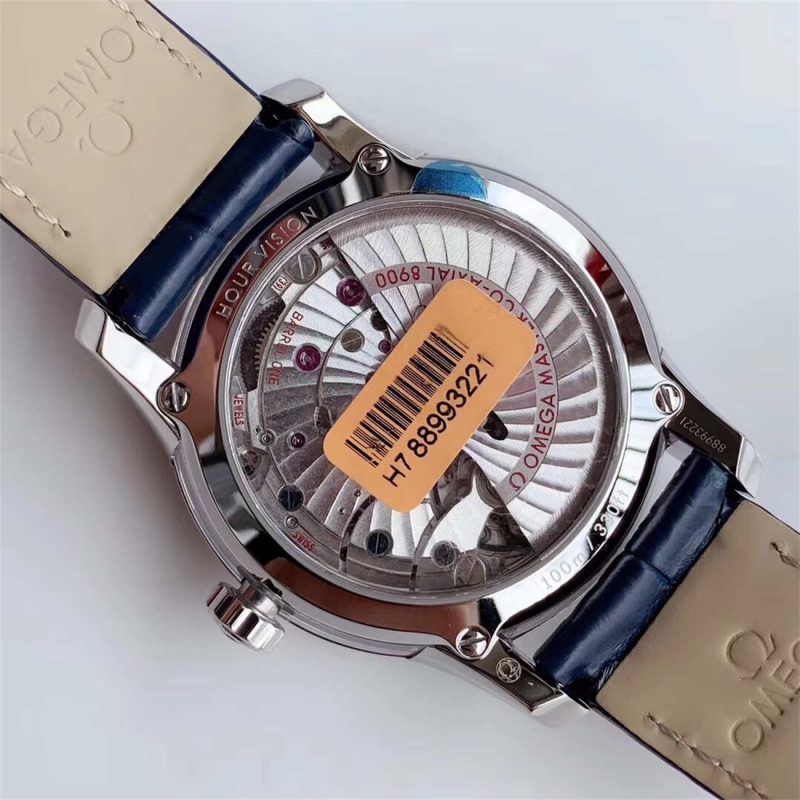
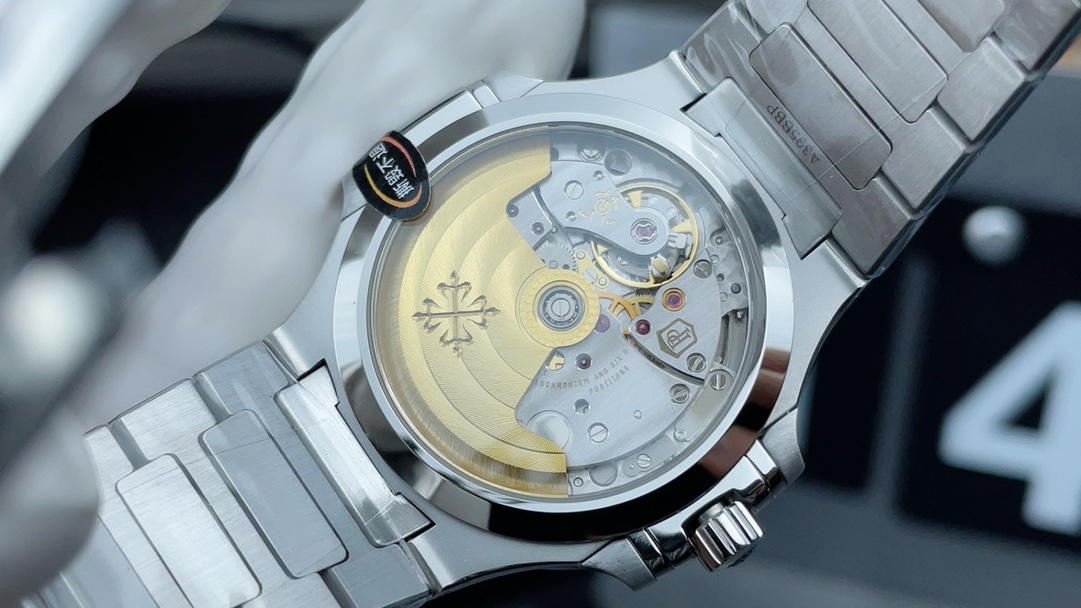
Examine internal engravings if the case back can be safely opened by a professional. Authentic Rolex movements display “Rolex” engraved prominently on the mainplate, along with the specific calibre designation (e.g., Calibre 3135, 3235, 4130). The engraving is crisp, deeply cut, and perfectly centered. Counterfeit movements often feature poorly executed engravings, misaligned text, or missing markings entirely. According to Oakleigh Watches’ authentication guide, opening the case back reveals craftsmanship that fakes cannot match.
ROLLEXTER Framework for Movement Authentication:
- Sound Test — Hold the watch to your ear; silence indicates mechanical movement, ticking indicates quartz fake.
- Visual Sweep — Observe the second hand; smooth glide confirms gen, jerky motion confirms fake.
- Internal Inspection — If accessible, verify “Rolex” engraving on movement plates with correct calibre designation.
- Beat Rate Verification — Genuine Rolex movements operate at 28,800 bph (8 beats per second); slower rates suggest inferior clones.
2. Weight, Materials & Build Quality Assessment
A genuine Rolex watch feels distinctly substantial when held in your palm. Rolex manufactures its cases using 904L stainless steel—a superior alloy harder and more corrosion-resistant than the standard 316L steel used in counterfeit watches. This material choice directly translates to noticeable weight and a solid, premium tactile experience.
Counterfeit manufacturers often cut costs by using inferior alloys or thinner case walls, resulting in watches that feel unexpectedly light or flimsy. A full-gold Day-Date weighs over 200 grams. Examine the case assembly with magnification. Genuine Rolex cases exhibit high-precision machining with perfectly aligned lugs, crown guards, and bezel seats. The bracelet links—particularly solid end links (SELs)—fit snugly without rattling or lateral play.
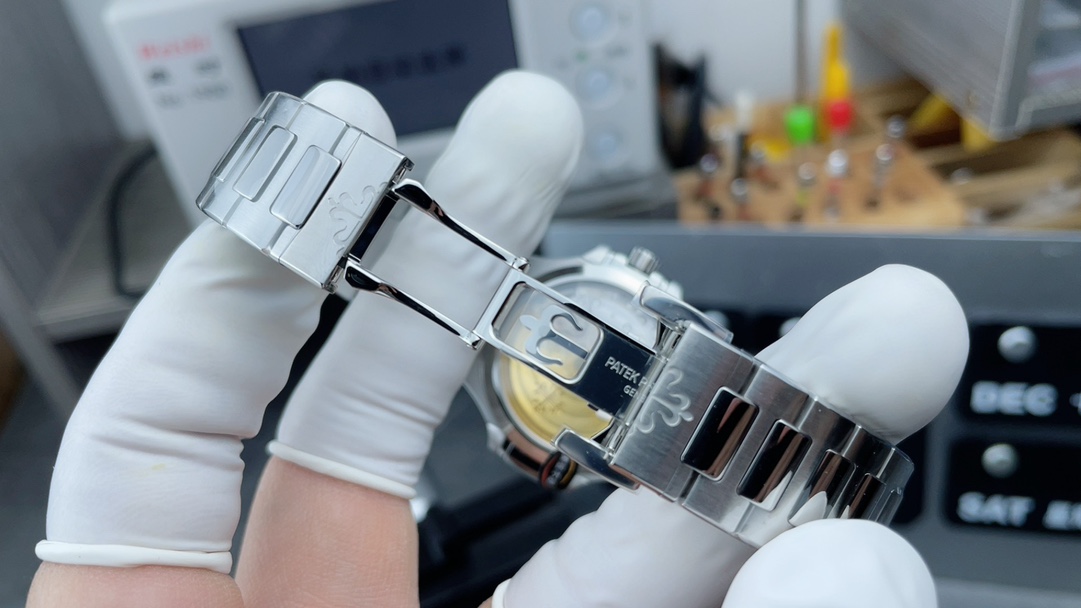
Run your fingernail across the case edges: genuine Rolex cases have smooth, beveled transitions, while fakes often exhibit sharp, unfinished edges. The bracelet finishing separates gen from fake immediately. Genuine Rolex bracelets feature brushed center links with polished outer edges, executed with perfect consistency across every link. Counterfeit bracelets display uneven brushing patterns, misaligned polishing, or rough edges. The clasp closes with a firm, satisfying click and features the Rolex coronet logo deeply engraved—never printed or stamped shallowly.
3. The Cyclops Lens & Sapphire Crystal Verification
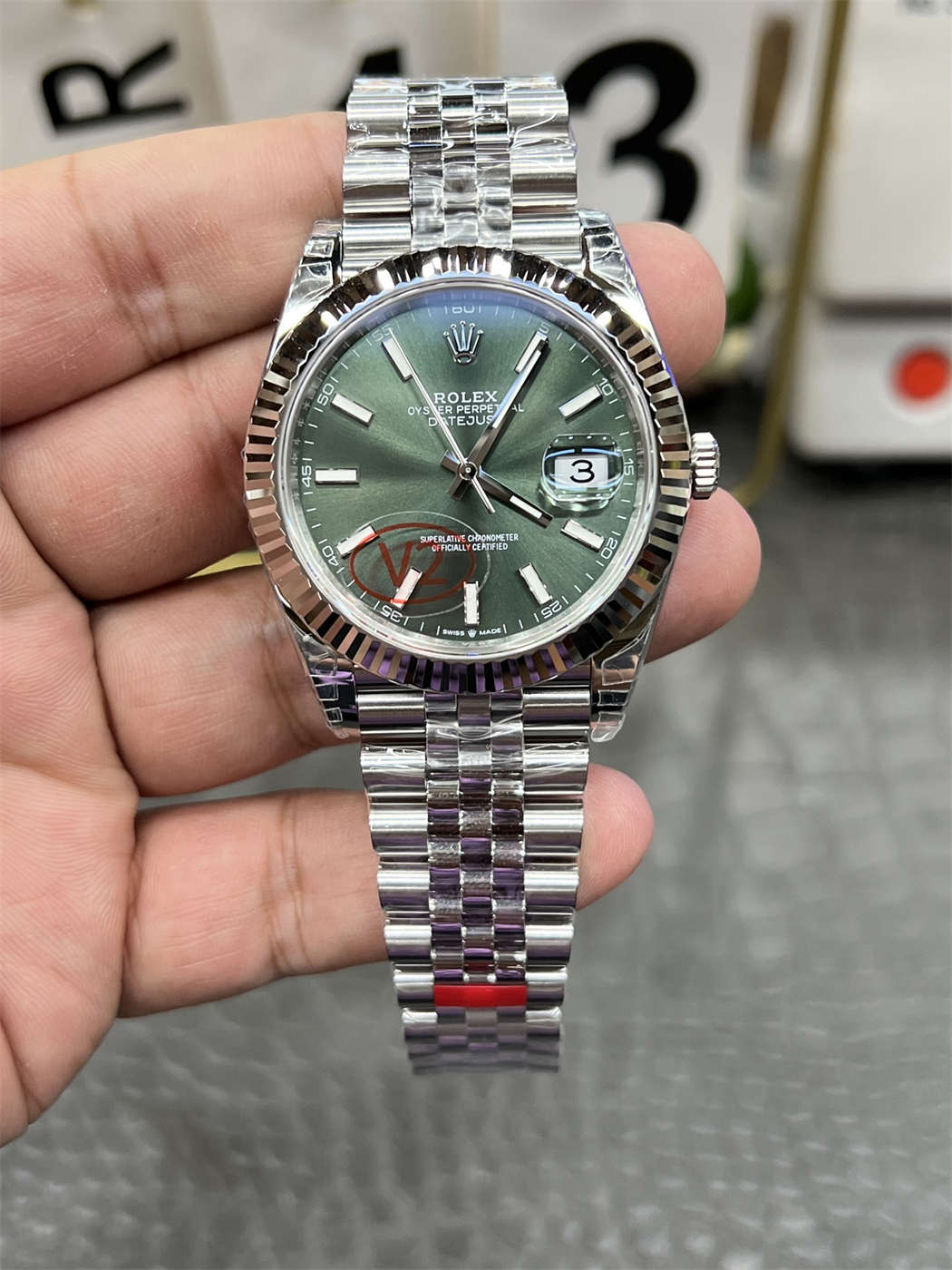
The Cyclops lens—the magnifying window positioned above the date window on most Rolex models—represents one of the most observable authentication markers. On a genuine Rolex, this lens magnifies the date precisely 2.5 times, rendering the numerals crisp, centered, and evenly enlarged without distortion. The date snaps instantly at midnight without gradual rolling or hesitation.
Counterfeit watches frequently fail this test. The magnification is often insufficient (1.5–2.0×), causing the date to appear smaller or blurry. Alternatively, the date appears misaligned or offset within the window. On some fakes, a visible air gap exists between the Cyclops lens and the crystal, allowing the lens to shift when the watch is tilted—a flaw that never occurs on genuine pieces.
Modern Rolex watches feature a micro-etched coronet (crown logo) on the sapphire crystal at the 6 o’clock position. This etching is laser-applied and visible only when viewing the crystal at extreme angles (typically 25-30 degrees) or under magnification. Counterfeit watches either omit this feature entirely or etch it so prominently that it’s visible during normal wear—a dead giveaway. The sapphire crystal itself is perfectly scratch-proof and features an anti-reflective coating that appears colorless or exhibits only a faint blue tint. Cheap replicas often display heavy purple or pink AR coating.
| Feature | Genuine Rolex | Counterfeit / Fake |
|---|---|---|
| Cyclops Magnification | Exactly 2.5×; date appears crisp and centered | Uneven magnification (1.5–2.0×); date appears blurry or offset |
| Crystal Material | Scratch-proof sapphire with anti-reflective (AR) coating | Often plastic or low-grade sapphire; scratches easily |
| Micro-Etched Coronet | Rolex coronet laser-etched at 6 o’clock on modern models; visible only at extreme angles | Missing, poorly etched, or visible from normal viewing angles |
Test the crystal by attempting to scratch it with a fingernail or soft cloth—genuine sapphire shows zero marks. Counterfeit crystals made from mineral glass or acrylic scratch easily. The bezel insert on dive models (Submariner, GMT-Master II, Sea-Dweller) is ceramic (Cerachrom) with platinum-filled numerals that never fade. Fake bezels use painted or printed numerals that wear away with use.
4. Crown Markings, Serial Numbers & Documentation
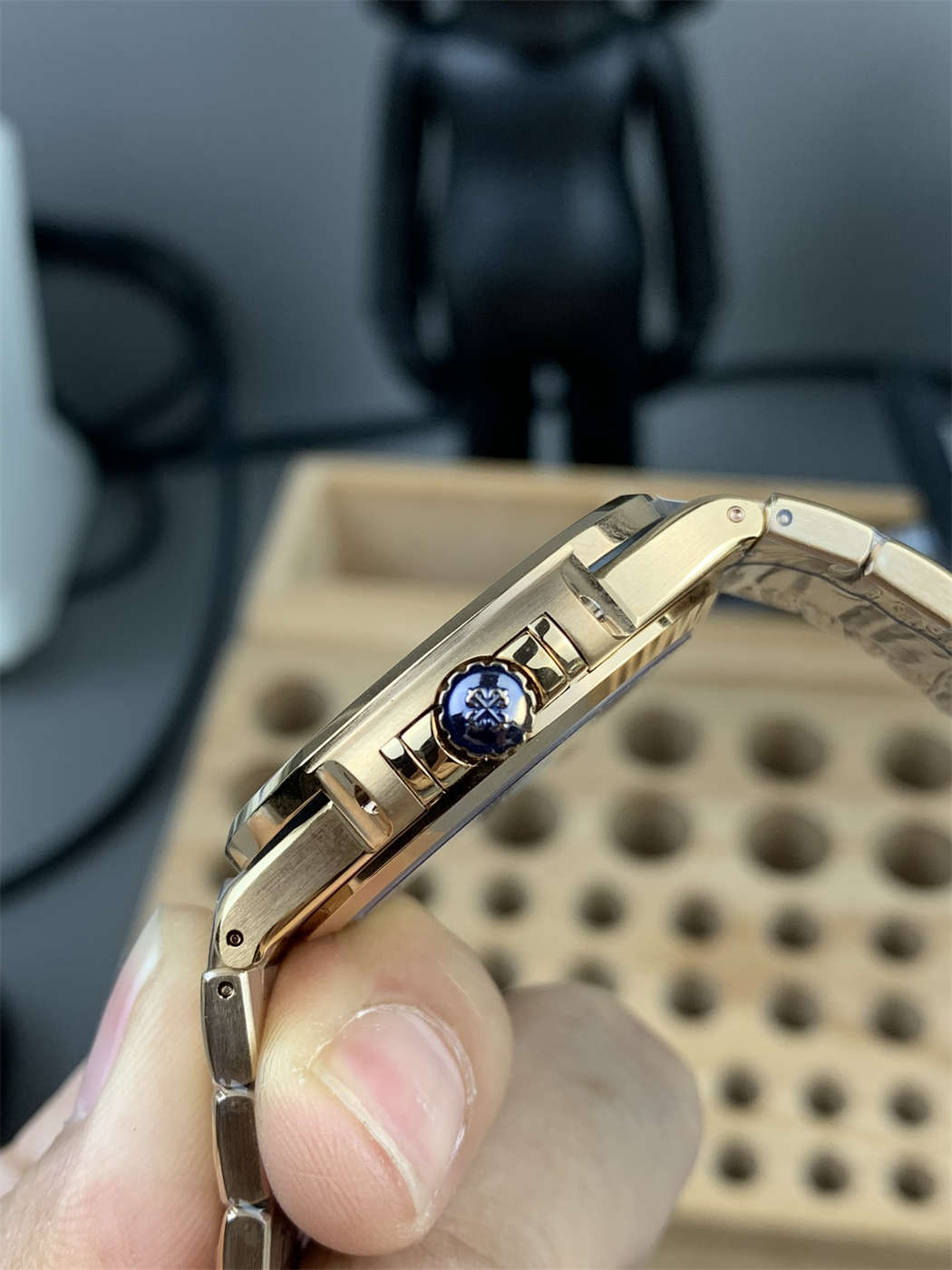
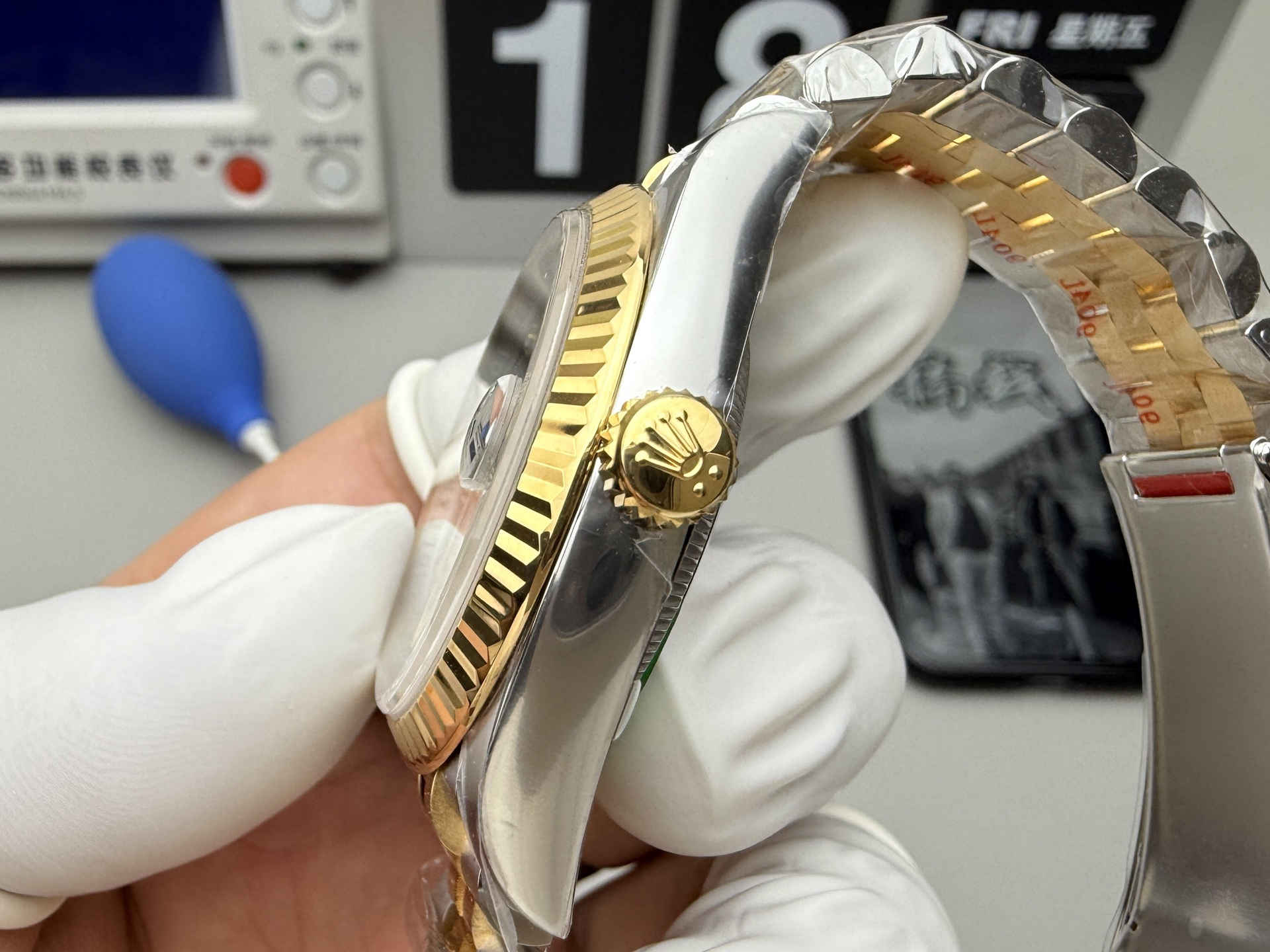
Authentic Rolex crowns display a sharply defined Coronet (crown logo) with fluted edges and precise dot or bar markings positioned directly beneath the Coronet. The engraving is crisp, deeply cut, and perfectly centered. Counterfeit crowns often exhibit poorly executed engravings, misaligned Coronets, or missing dots/bars. On screw-down crowns, the threading is smooth and precise; rough or cross-threaded crowns indicate fakes.
Serial numbers and reference numbers are etched on the case between the lugs—serial number at 6 o’clock, reference number at 12 o’clock. On genuine Rolex watches produced after 2005, these numbers are deeply engraved using precision laser machinery and are perfectly aligned and evenly spaced. Counterfeit watches often display shallow, poorly executed engravings or misaligned numerals. Cross-reference the serial number against Rolex’s official production database or consult a certified dealer—the serial number corresponds to the watch’s purported age. For example, serial numbers beginning with “Z” indicate production around 2006-2007, while “M” prefix indicates 2007-2008 production.
Genuine Rolex watches come with specific documentation: warranty cards (now digital via Rolex app for models sold after 2020), instruction manuals, and certificates of authenticity. Examine the paper quality, printing precision, and formatting. Rolex documentation features consistent fonts, correct spelling, and proper serial number matching. Counterfeit documentation often exhibits poor print quality, spelling errors, or mismatched serial numbers. Verify that the warranty card matches the watch model, reference number, and serial number exactly.
Be cautious of watches sold without original documentation—while vintage pieces may legitimately lack papers due to age, modern Rolex watches should always include them. Missing documentation reduces resale value by 15-25% and raises authentication concerns.
5. Authentication Red Flags & Professional Verification Pathways
Certain functional anomalies immediately signal counterfeits. A Submariner with a GMT bezel, a Datejust with non-functional chronograph pushers, or any model featuring a quartz movement are definitively fake. Listen for loud ticking; genuine Rolex watches are nearly silent. Observe whether the date window snaps instantly at midnight or rolls gradually—fakes often exhibit slow, hesitant date changes. Test the crown: it should screw down smoothly and lock firmly against the case with 3-5 full rotations.
Inspect the case, bracelet, and bezel under magnification for misaligned components, visible gaps, or poor finishing. Genuine Rolex cases exhibit high-precision assembly with no rattling or play in the bracelet links. The bezel rotates smoothly with precise, audible clicks—typically 120 clicks per rotation on dive watches like the Submariner. Counterfeit watches often display loose end links, rough bezel action, or visible manufacturing defects. Check the crown guard: it should be perfectly symmetrical and flush with the case.
Watches sold without original documentation warrant scrutiny—particularly for modern models produced after 2015. Mismatched serial numbers between the watch, warranty card, and papers are serious red flags. Be cautious of sellers pressuring you to close deals quickly or offering prices significantly below market rates—a brand-new Submariner 126610LN retails for $10,250 USD; offers below $8,500 for “unworn” pieces should raise immediate suspicion.
For high-value acquisitions exceeding $5,000, consult professional authenticators before committing. Rolex Authorized Dealers verify authenticity and provide detailed condition reports for $100-300. Independent master watchmakers with decades of experience assess movements, materials, and assembly quality for $150-400 depending on complexity. Never rely on a single authentication method; combine multiple checkpoints for absolute confidence. When in doubt, walk away.
FAQ
Q1: Can super clone Rolex watches pass all authentication tests?
Modern tier-1 super clones potentially pass surface-level checks like weight and visual appearance. However, professional watchmakers distinguish fakes through deep movement inspection (rotor engravings, balance wheel construction, escapement finishing), material analysis (904L steel composition testing), and documentation verification. No counterfeit perfectly replicates every aspect of a genuine Rolex.
Q2: Is buying from grey-market dealers safe?
Reputable grey-market dealers with established track records and transparent authentication processes are generally reliable. Always verify credentials, request authentication documentation (QC photos, movement shots, timegrapher readings), and confirm return/refund policies before purchasing.
Q3: What should I do if I suspect I’ve purchased a fake Rolex?
Contact the seller immediately and request a return or refund within the specified return window. If refused, consult a professional authenticator to document counterfeiting with photographic evidence. Report the transaction to your payment provider and file a dispute if applicable.
Q4: How can I verify a serial number’s authenticity?
Genuine Rolex serial numbers are deeply engraved between the lugs at 6 o’clock and match official production records. Visit an authorized Rolex dealer or contact Rolex directly with the serial number. Mismatched or missing serial numbers are immediate red flags.
Q5: Are vintage Rolex watches harder to authenticate?
Yes, significantly. Vintage pieces (pre-1990) may lack original documentation, feature faded engravings, or have worn components. Service replacements can create “Franken-watches” combining genuine and aftermarket parts. Consult specialists in vintage Rolex watches—expect to pay $300-600 for comprehensive authentication including movement disassembly.
Sources
- Oakleigh Watches — 10 Tips on How to Spot a Fake Rolex — 2026, movement inspection and super fake analysis
- American Jewelry — How to Spot a Fake Rolex — 2026, weight and build quality assessment
- G&G Timepieces — How to Spot a Fake Rolex: Best Tips — 2026, movement and second-hand motion analysis
- Bob’s Watches — How To Spot a Fake Rolex — 2026, Cyclops magnification and sapphire crystal testing
- Diamond Banc — Rolex Authentication & Papers Guide — Serial number verification and documentation standards
Written by Tianhao Zheng (Luxury Watch Reverse Engineering, Swiss Clone Movement Calibration (Calibre 3135/3235/4130), Metallurgical Grading (904L vs 316L Stainless Steel), Horological Authenticity & Quality Control Auditing). Last reviewed 2026-06-11.